

The Process of Planning a Sustainable Sea Burial
12/10/2025

Burial at sea, an ancient and
time-honored tradition, holds
deep emotional significance
for many.
Burial at sea, an ancient and time-honored tradition, holds deep emotional
significance for many. This powerful ritual transcends cultures and religions,
serving as a final resting place for sailors and military personnel. Here in the
United States, The U.S. Navy provides burial at sea and has really set the
standard for the practice.
However, there are also a few private companies that offer this service for
civilians who wish to have a burial at sea.
Coordinating a burial at sea requires extensive searches online, planning, and
attention to detail. From making the initial outreach to funeral providers to
speaking with funeral directors. The process involves several steps to ensure the
deceased is provided with an honorable and dignified ceremony.

The first step in planning a sustainable burial at sea is to research and
understand the legal requirements. In the United States, burial at sea is
regulated by both federal and state laws. The Environmental Protection Agency
(EPA) sets regulations on how and where human remains can be buried in the
ocean. Additionally, each state may have its own specific laws regarding land
transportation permits and notification requirements.
Once you have familiarized yourself with the legal requirements, it’s time to start
making arrangements with funeral providers. If you’re working with a funeral
home or director, they will handle most of the logistics for you. However, if you’re
arranging everything yourself, make sure to research reputable companies that
specialize in sea burials.
Funeral directors work closely with various specialists to ensure that the remains
are properly prepared and transported for burial at sea. They handle a range of
responsibilities, including:
While the Navy offers burial at sea for qualified individuals, civilians can also
arrange for this type of final disposition through funeral homes or specialized
service providers. Eligibility requirements and processes may vary depending on
the chosen provider, but they typically involve:
The process typically begins by contacting a funeral home or specialized service
provider experienced in facilitating burials at sea. They can guide you through
the specific requirements and steps involved, ensuring a smooth and respectful
process for your loved one.
Funeral directors play a pivotal role in facilitating a dignified and respectful burial
at sea. They can handle various aspects, including:
A burial at sea ceremony can be a personalized and meaningful way to honor
your loved one. While specifics may vary depending on the chosen service
provider and family preferences, the ceremony can involve elements such as:
At a Navy burial at sea ceremony, the participants play a crucial role in ensuring
the proper handling and disposition of the remains. The commanding officer of
the ship, chaplain, chief petty officer, and honor guard are all involved in the
ceremony, providing guidance and support throughout the process. Officers are
responsible for coordinating funeral preparations, making arrangements, helping
with transportation, participating in the committal ceremony, offering military
honors, and ensuring that the ceremony is carried out properly. Unfortunately,
family members can’t participate in sea burial hosted by the Navy.
Crew members also play a significant role in the ceremony as a party and casket
bearers. They guide the casket bearers, cover the flag, and hand it over to the
commanding officer. The involvement of both officers and crew members in the
burial at sea ceremony highlights the importance of the event and the deep
respect accorded to the deceased and their service.
The committal service is the central part of the burial at sea ceremony, marking
the moment when the deceased is laid to rest in the ocean. This solemn event
includes a reading of scripture and prayers, followed by the benediction, which
is usually performed by the chaplain, commanding officer, or an officer
designated by them. The service honors the deceaseds faith and the deeply
held beliefs that guided their life and service.
During the committal service, the casketed remains are covered with the burial
flag, with the union placed at the head and over the left shoulder, signifying
respect and honor for their service. Military funeral honors, such as the firing of
three rifle volleys over the grave during interment and the 21-gun salute, are also
an integral part of the ceremony, paying tribute to the deceaseds commitment
and sacrifice to their country.

Despite being a time-honored tradition, legal and environmental considerations
should be taken into account when planning a burial at sea. The Environmental
Protection Agency (EPA) regulates burial at sea in the US to ensure that it is
done within the legal boundaries and in an eco-friendly manner, for both
cremated and full body burials. International laws also govern burials at sea,
requiring adherence to guidelines and obtaining necessary permits.
Adherence to established regulations and environmental respect is mandatory
when planning a burial at sea. This includes adhering to specific depth and
distance from land requirements, as well as ensuring that the burial does not
interfere with shipping, fishing, or undersea communications. By complying with
these regulations and guidelines, families can honor their loved ones memory in
a way that is both respectful and ecologically sustainable.
In the United States, the regulations for burial at sea are governed by the Marine
Protection, Research, and Sanctuaries Act (MPRSA) and the Environmental
Protection Agency (EPA). These regulations stipulate that:
These regulations aim to ensure a burial at sea that respects both the deceased
and the environment. By adhering to the specific depth and distance
requirements, as well as notifying the EPA in a timely manner, families can
ensure a dignified and ecologically responsible burial at sea for their loved one.
Internationally, burial at sea is subject to varying regulations and practices
depending on the country. In Australia, for example, a permit is required for
burial at sea, the body cannot be embalmed or placed in a casket, and the burial
must occur in waters deeper than 2,000 meters. In the United Kingdom, a
license from the Marine Management Organisation (MMO) is required, costing
£175 and valid for three months from the date of issuance.
Despite the differences in regulations and practices, the underlying principle
remains the same: to honor the deceased with a dignified and respectful burial
at sea. By understanding and complying with the specific regulations and
guidelines of the country in question, families can ensure that their loved ones
final resting place is both meaningful and environmentally responsible.
Memorial services offer a means to honor the memory and pay tribute to the life
of a loved one lost at sea whose remains cannot be recovered. These services
can take many forms, from traditional religious ceremonies to more personal and
intimate gatherings. The key is to create a meaningful event that allows family
and friends to come together and celebrate the life of the deceased.
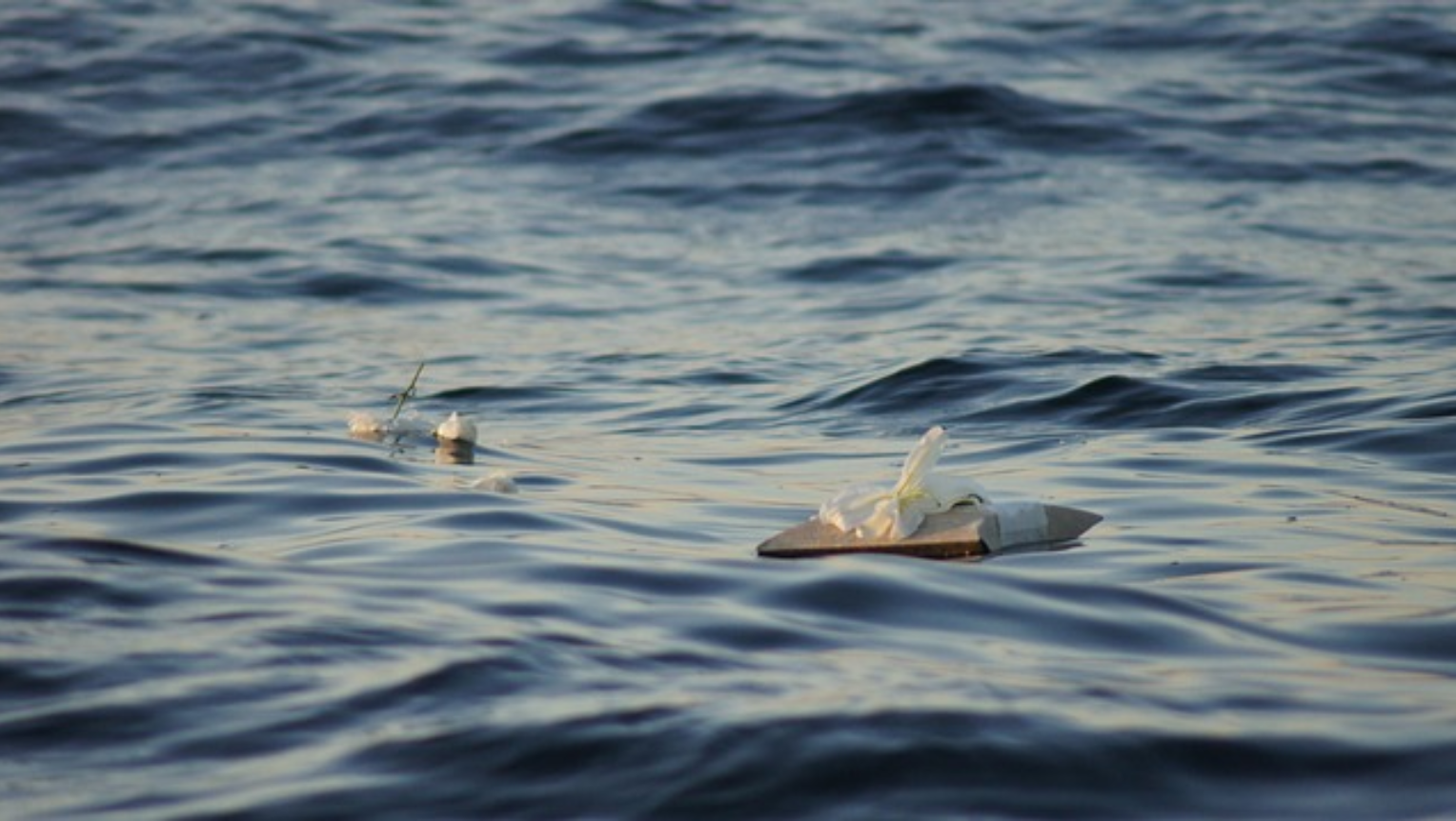
A particularly moving tribute to those lost at sea is to conduct a memorial
service at sea. This can involve dropping flowers or wreaths onto the waters
surface, scattering ashes, or even conducting a burial at sea with no remains.
Such services provide a powerful connection to the ocean and serve as a lasting
tribute to the individuals life and service.
Memorial services at sea for those without remains can take several forms, each
offering a unique way to honor the deceased. One such service is the flower
dropping ceremony, where flowers are scattered on the waters surface, their
petals remaining afloat as a beautiful and poignant tribute. Another option is the
scattering of ashes at sea, where the ashes of the deceased are released into
the ocean during a special ceremony, allowing their memory to become one with
the vast expanse of the sea.
In addition to these services, families can also choose to hold a burial at sea with
no remains. This involves conducting a memorial service at sea, complete with
prayers, eulogies, and other symbolic elements, even when the remains of the
deceased cannot be recovered. By selecting a service that best reflects the
individuals beliefs and values, families can create a meaningful and lasting
tribute to their loved one.
During memorial services at sea, there are numerous ways to honor the
deceased and pay tribute to their memory. Sharing memories, stories, and
anecdotes about the individual can help to bring their spirit to life and encourage
open conversation among family and friends. The inclusion of photographs,
mementos, and other personal items can also serve to evoke memories and
celebrate the life of the deceased.
In addition to these more personal elements, memorial services at sea can also
involve symbolic gestures and rituals. These may include the playing of music,
the reading of prayers and passages, and the scattering of flowers or ashes on
the waters surface. By incorporating a combination of personal and symbolic
elements, families can create a powerful and moving tribute to their loved one,
ensuring that their memory lives on in the hearts and minds of all who attend the
service.
We do our best to raise awareness regarding ocean conservation and advocate
for environmentally responsible burial practices. However, by taking the Spirit
Oceano pledge, you can get more information, guidance, and resources on
sustainable sea burials, and share them to help us make our planet a better
place.
By understanding the process, adhering to regulations, and potentially
partnering with organizations like Spirit Oceano, you can plan a meaningful and
eco-friendly ocean burial that honors your loved one while cherishing and
protecting marine life.
In the US, burials at sea are regulated by both federal and state laws. The
Environmental Protection Agency (EPA) sets the general guidelines, requiring
burials to occur at least three nautical miles from shore and in waters at least
600 feet deep. Additionally, each state may have its own specific requirements
regarding permits and notifications.
The U.S. Navy conducts burials at sea for qualified individuals. However, civilians
can also arrange this service through funeral homes or specialized service
providers.
Eligibility requirements may vary depending on the chosen provider, but
generally involve completing necessary paperwork, obtaining permits, and
ensuring the remains are prepared for eco-friendly burial.
The process typically starts with researching legal requirements and choosing a
service provider. Funeral directors can assist with obtaining permits,
coordinating logistics, and organizing the ceremony.
Ceremonies can be personalized with readings, poems, tributes, music, and
scattering of flowers or ashes. Families can also choose to include religious
elements or military honors.
Look for service providers who offer eco-friendly options, such as
biodegradable materials for caskets or shrouds. Additionally, you can support
organizations like Spirit Oceano that advocate for responsible burial practices.
Memorial services at sea can be held to honor their memory, even without
remains. These services can involve scattering ashes, holding prayers, sharing
memories, or releasing flowers on the waters surface.
Donec et odio pellentesque diam
